
I start my day at 3 AM. AI cannot decide what the day is for.
"O LORD, in the morning you hear my voice; in the morning I prepare a sacrifice for you and watch." (Psalm 5:3, ESV)
I wake up around 3 AM to work on things.
That sentence sounds disciplined. It sounds like one of those entrepreneur posts where I'm supposed to tell you that while everybody else sleeps, I'm grinding. That's not really what this is. One of the harder lessons I've been learning is that waking up early and working hard doesn't automatically mean I'm stewarding my time well. You can be extremely disciplined while running in the wrong direction. I know, because I've done it.
Why 3 AM?
I have a full-time job in IT and facilities. I have a wife, Elizabeth. I have three boys: William, Wes, and Wyatt. And I love building things. So the early morning became the window. The house is quiet. Nobody needs me yet. No meetings, no messages, no interruptions. I can read Scripture, pray, think, write, code, and build.
I genuinely love those hours. I even built a whole platform around this rhythm, 3amCEO, for other early-rising entrepreneurs, with the tagline "God First. Family Always. Business at 3AM." But having a productive window doesn't automatically mean everything I put inside that window deserves to be there. That's the part I keep having to relearn.
I confused movement with progress
This past year especially, I built a lot. I sold a company. I started others. I chased ideas across software, ministry, and music. I experimented constantly with AI. I kept moving. Eventually I had to sit with an uncomfortable question:
Where exactly am I going?
That's a different question from asking whether I'm making progress. Progress only makes sense if there's a destination. Otherwise I'm just measuring motion. Proverbs 19:2 keeps landing on me:
"Desire without knowledge is not good, and whoever makes haste with his feet misses his way." (Proverbs 19:2, ESV)
I had plenty of desire. I was definitely making haste with my feet. But was I actually moving toward what mattered, or just moving?
AI made this easier, not harder
This is one of the strange things about AI. It makes execution cheap. An idea that would once have stayed in a notebook can turn into something real before breakfast. That sounds entirely positive. It isn't.
Sometimes ideas should stay in the notebook. Sometimes friction protects us. When starting something used to require months of effort and real money, I was forced to think seriously about whether I should do it. When I can prototype the same idea in an evening, that barrier disappears. For someone who builds the way I do, that creates a new stewardship problem. I don't just need help accomplishing things. I need wisdom about which things deserve to be accomplished at all.
My North Star had to get clearer
I've spent real time working out what my life actually points toward. Not businesses. Not money. Not being known as someone who builds cool things. Not even AI.
In one of my own personal tools, I built out a values hierarchy that cascades from a thirty-year vision down to daily habits. At the top sits one value: Love. Underneath it: family, adventure, fun, belonging, compassion. Underneath that, identity statements for who I want to be as a follower of Christ, as a husband, and as a father. Writing that down was the easy part. Living it is harder, because a new business idea can feel urgent. An unfinished feature can feel urgent. My boys asking me to come play rarely feels urgent in the same way.
But importance and urgency aren't the same thing. If I build ten successful companies and fail to be present for William, Wes, and Wyatt, I'm not going to call that success.
Discipline needs direction
I still like waking up early. I'll probably keep building strange things at 3 AM for a long time. That's part of how I'm wired. I don't think ambition is automatically wrong. But I've come to believe those things have to sit underneath something else.
Grounding Scripture: "Whatever you do, work heartily, as for the Lord and not for men." (Colossians 3:23, ESV)
For me the important words aren't only "work heartily." They're "as for the Lord." I was raised in a way that rewarded low effort and got uneasy when I excelled, so ambition never came naturally to me. Elizabeth is honestly the reason I became driven and hardworking at all. That history means I have to watch myself carefully here, because it's easy for me to slide from "working heartily for the Lord" into "working hard so I don't feel incompetent." Those can look identical from the outside. They are not the same thing to God.
AI stewardship starts before I open the tool
Responsible AI isn't only about privacy settings, hallucinations, copyright, or which model is best. Those things matter. But there's a question underneath all of them: what am I actually trying to accomplish in the first place?
AI can make me faster. It can make me more productive. It can give me leverage I couldn't have imagined a few years ago. It cannot give me direction. That takes wisdom, and wisdom is a different resource than horsepower.
So I'm trying to stop measuring my days only by how much I built. I want to measure them by whether I faithfully stewarded what was actually mine to carry. Some mornings that means building. Some mornings it means stopping. I'm still learning that both can be faithful.
Frequently asked questions
Does Christian productivity require waking up early?
No. Christian productivity isn't measured by an early wake-up time. It's better understood as faithful attention to the responsibilities, relationships, work, rest, and service appropriate to a person's season.
How can AI support spiritual discipline?
AI can help with organization, reminders, study preparation, and reducing repetitive work. It can't replace prayer, Scripture, or obedience, and it can't tell you whether your discipline is actually pointed in the right direction.
Can productivity become an idol?
Yes. Productivity becomes spiritually dangerous when output or busyness becomes a source of identity, control, or worth.
Start here: the free F.A.I.T.H. AI Stewardship Audit is twenty questions about your week, not about technology. About five minutes, no cost, and your answers stay on your device.
I'm Dave. I wake at 3 AM to build software, ministry projects, and businesses before my family wakes up, and I work a full-time job in IT and facilities the rest of the day.
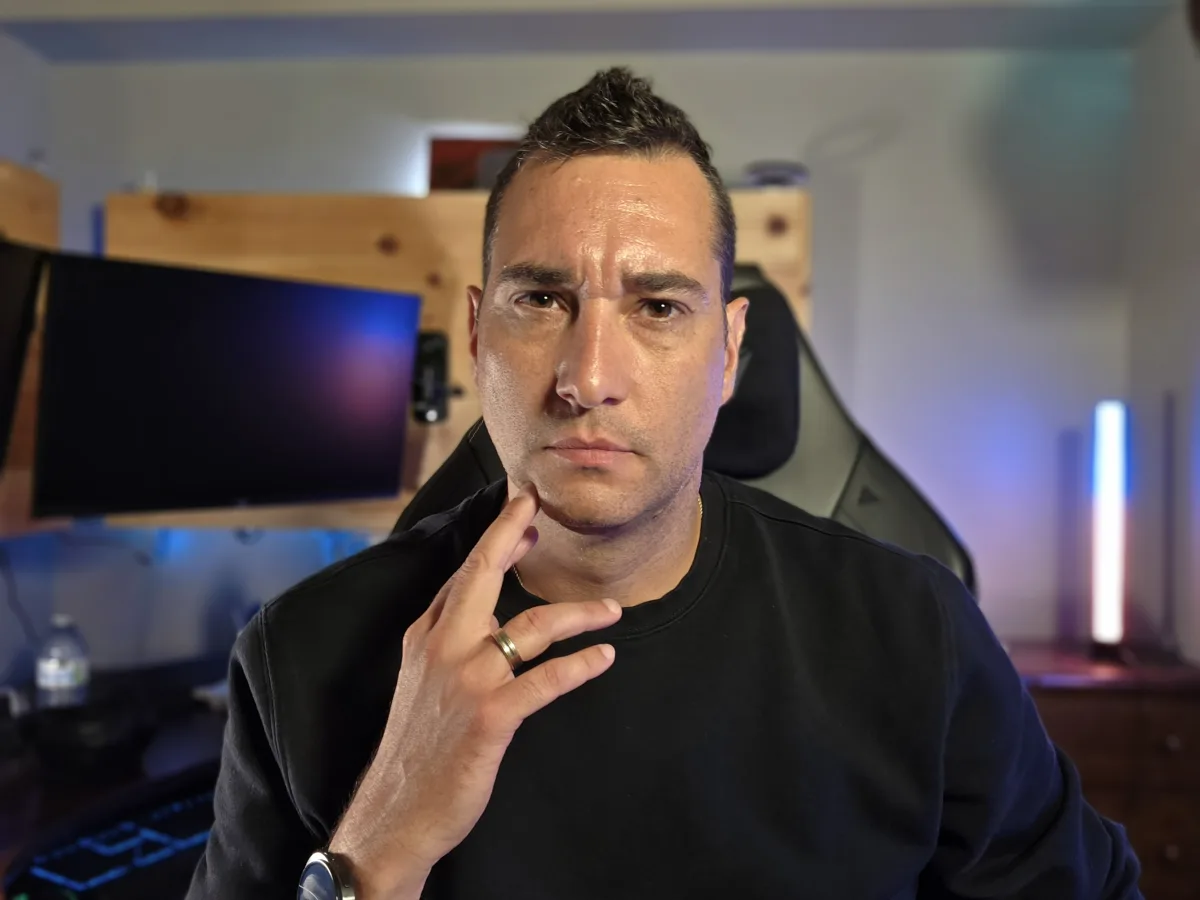
Written by Dave Birnie
Software and AI systems builder, husband, and father of three. Exploring how Christian faith shapes the way we use technology.
Meet Dave